Good stewardship, even over the menstrual cycle
EVERY SEASON AND ITS DEMANDS
When the Lord carefully created Adam’s helper he entrusted the woman to carry the seed of man; through Eve every nation was born. And to every assignment there are also requirements to be met.
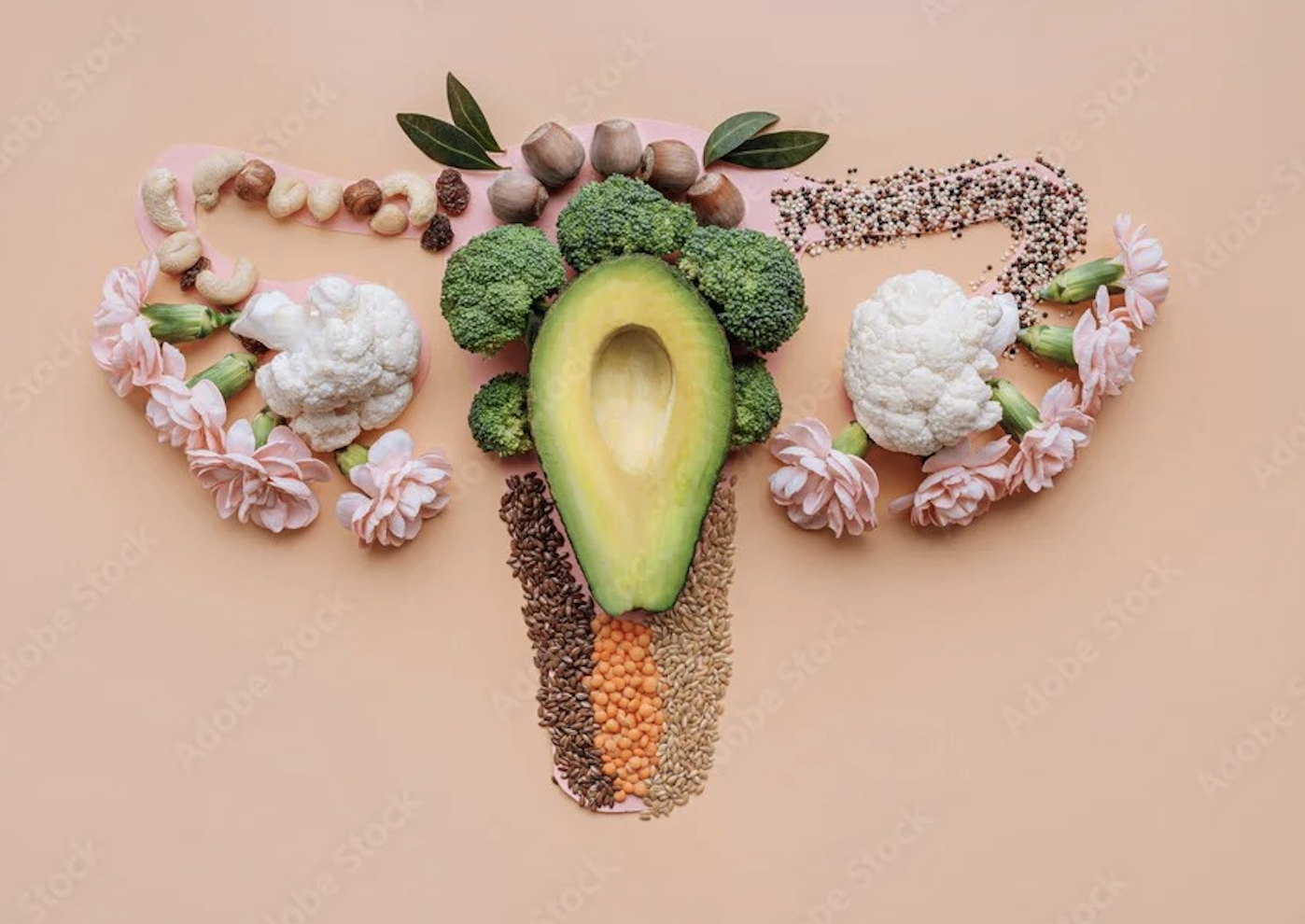
Unlike the male, the female reproductive system undergoes regular cyclic changes known as the menstrual cycle, which is the body’s periodic preparation for ovulation and potential pregnancy. As a woman, within the month the nutritional needs change due to a fluctuation in hormones. The body changes on a week to week or day to day basis and it is very important to consume foods that will support its functionality depending on what the body is experiencing from within.
Stage 1: Menstrual Phase
The first stage is called menstrual phase (day 1 to 3-7) and it is when the uterine lining sheds causing bleeding. At this stage levels of oestrogen and progesterone are typically low so it is good to eat foods high in protein, fibre, mineral rich and healthy fats. A good and tailored nutrition can help you minimise cramping, stabilise mood and increase your energy levels. Foods recommended at this stage are: shellfish, pumpkin and flax seeds, black and kidney beans, red fruits and vegetables such as beets, berries, grapes, peppers. In this phase, it is better to avoid heavily processed foods, spicy foods and sugar as these can increase inflammation consequently causing more painful period cramps. Nevertheless, this period is also associated with high cravings so it is essential to find a balance so that physical and emotional needs can be met.
Stage 2: Follicular Phase
The next stage is called follicular phase (day 3-7 to 12), it overlaps with the menstrual phase and finishes at the beginning of ovulation. At this period hormones are released to stimulate the growth of eggs in the follicles. Magnesium levels are relatively low at this stage so eating foods high in this vitamin. Magnesium is also responsible in lowering period cramps and reducing heavy bleeding. Foods to consider eating in this phase are: chicken, eggs, flax seeds, garlic, dried fruits, sesame seeds, lentils, berries, grapes, greens (broccoli, lettuce, zucchini, avocado), citrus, pomegranate, fermented foods, barley, oat, wheat. At this point energy levels may increase so it is a good time to incorporate dynamic exercise in your routine.
Stage 3: Ovulation
The following stage is known as ovulatory (day 12-16); involving the release of the egg from the ovary into the fallopian tube. During the entire menstrual cycle, this is the only time pregnancy can occur. Since oestrogen levels can reach their peak in this phase, it is crucial to consume foods high in fibre to avoid oestrogen dominance in the body, a common cause of hormonal imbalance.
If someone is trying to conceive nutrition is key to boost fertility during this phase. Chances of pregnancy can be enhanced by increased consumption of glutathione, folic acid and omega 3 fatty acids. Recommended foods in this stage are: wild caught salmon, tuna, lamb, sesame and sunflower seeds, red lentils, berries, spinach, tomato, eggplant, brussel sprouts, apricot, cantaloupe, fig, dark chocolate, corn and quinoa.
Stage 4: Luteal Phase
The last stage is known as the luteal phase (day 16-28). If you did not get pregnant during ovulation then the body prepares itself for the next period hence why it can be associated with premenstrual symptoms (mood changes, skin inflammation, headaches, breast tenderness and bloating). It is recommended to focus on complex carbohydrates, root veggies, dark leafy greens, white fish, red meat, turkey, chickpeas, berries, sweet potatoes, cauliflower, cabbage, apple, date, pear, peach, mint, brown rice and millet.
It is essential to highlight that every body is different and menstrual cycles differ between women . As the Holy Spirit leads, it is crucial to discern and use to your advantage the support and knowledge available.
Other Articles

The most prolific criminal case of the year has finally come to an end as P. Diddy...

On June 27th Congo and Rwanda signed a peace deal that aimed to end decades of conflict...

The marketplace today is often viewed as a place lacking integrity and purpose...

From the overflow of Upper Room 2025, all roads led to Kingdom Ambassadors Centre...

Delite Hair Care provides all essentials for a complete hair care routine, for all ages...

It is a very well-known verse; David’s contemplation of how God wove him in his mother’s...