“If you want peace, prepare for war’’
New changes to UK defence
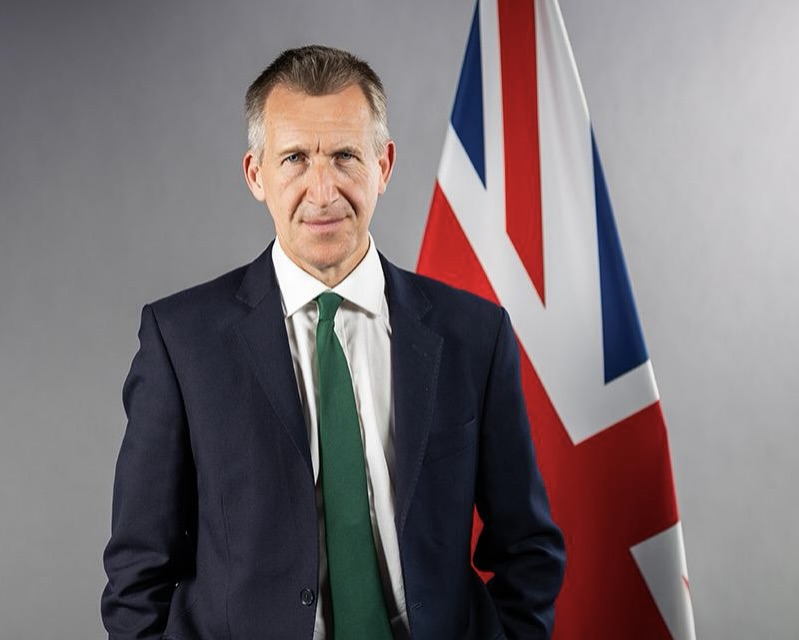
On June 2nd, the government’s Department of Defence published its long-awaited strategic defence review detailing 62 recommendations concerning the UK’s defence plan for the next decade. Crucially, the plan stipulates an increase in spending from 2.3% of gross domestic product to 2.5% by April 2027. This comes as a result of NATO’s proposal urging allies to increase spending budgets to 3.5% of GDP by 2035. In response to this proposal, Starmer expressed in a BBC interview that he would not agree to “performative fantasy politics” and be forced to choose a random date as to when the UK would meet the 3% target, though the call from NATO is for a higher figure. Starmer was cautioned that Britain might not be responding swiftly enough to the fast escalating challenges posed by nations like Russia. US President Donald Trump is also pressuring the Prime Minister and other NATO leaders to boost spending quickly in order to wean Europe off of its reliance on Washington for military assistance.
As part of a wider conversation concerning the perceived imminence of war and conflicts happening around the world, Prime Minister Keir Starmer has emphasised upon the sentiment expressed in the review, insisting that the country must transform its mindset towards conflict and security. Echoing the brooding themes of the Cold War, Starmer warned that a new era of geopolitical instability demands a bold and modernised approach. “The frontline is here,” he declared in a recent speech, imploring the need to mobilise the nation and prepare its citizens for the realities of contemporary threats. Starmer outlined a vision for strengthening national security through investments in artificial intelligence, reserve forces, and defence systems against emerging technologies. Paul Johnson, director of the Institute for Fiscal Studies (IFS), cautioned that reaching Labour’s defence spending targets would require “chunky” tax rises, highlighting the economic challenges that will accompany this pivot.
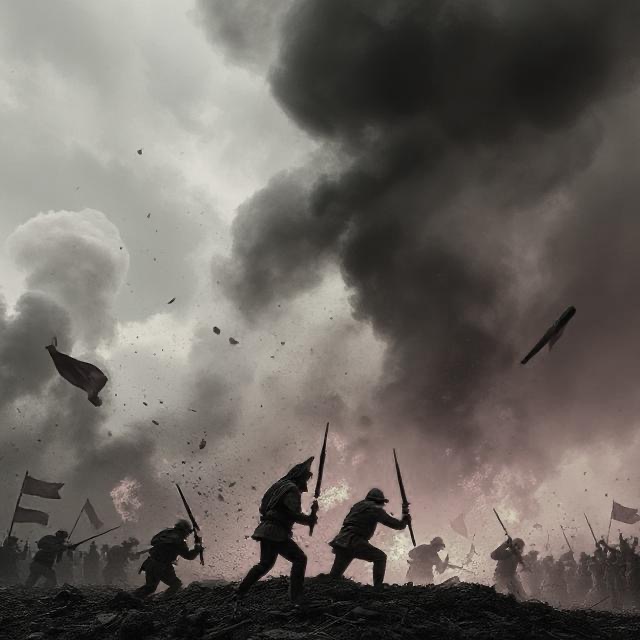
Page 9 of the review cites the dictum “if you want peace, prepare for war.” Whilst the world frets and strategises over ways to prepare for impending war, Christians are called to the command of battle in the spiritual as much as the physical: For they do not wrestle against flesh and blood, but against principalities, against powers, against the rulers of the darkness of this age, against spiritual hosts of wickedness in the heavenly places (Eph 6:12). In Matthew 24, Jesus warned His disciples against the rumours of wars and conflicts between nations. He taught that true peace is not the absence of conflict but the assurance of His presence, that warfare is inward and inevitable once someone is souled out for Christ.
Earthly conflicts matter to the Church because they serve a God of justice, a God of the oppressed and of the imprisoned, and much of what is witnessed is a reflection of spiritual activity. Jesus confronted injustice and endured it. His disciples faced persecution and painful deaths on account of their belief in Him. Thus, as much as Christians are already armoured and anchored to the Word, they must maintain a heart of flesh – not being hardened, desensitised, or disengaged to matters concerning global conflict. Our current sermon series on “Jesus The Christ” speaks to the weight of this calling; to profess an offensive faith and to fight territories, not with carnal weapons but with a spiritual armoury, therefore let KAC put on the weapons of warfare to infiltrate Jesus into the UK defence.
Other Articles

The most prolific criminal case of the year has finally come to an end as P. Diddy...

On June 27th Congo and Rwanda signed a peace deal that aimed to end decades of conflict...

The marketplace today is often viewed as a place lacking integrity and purpose...
From the overflow of Upper Room 2025, all roads led to Kingdom Ambassadors Centre...

Delite Hair Care provides all essentials for a complete hair care routine, for all ages...

It is a very well-known verse; David’s contemplation of how God wove him in his mother’s...