The Unconventional Evangelist
Redefining Ministry Through Creativity, Culture, and Digital Influence
The idea that certain gifts can’t be used for Kingdom work is not just limiting but also misguided. Unconventional evangelists, those who use their God-given talents in creative and often overlooked ways, are making significant impacts across various areas. From fashion and worship to digital media and community engagement, these evangelists reach people in ways traditional methods often cannot.
Redefining Evangelistic Platforms
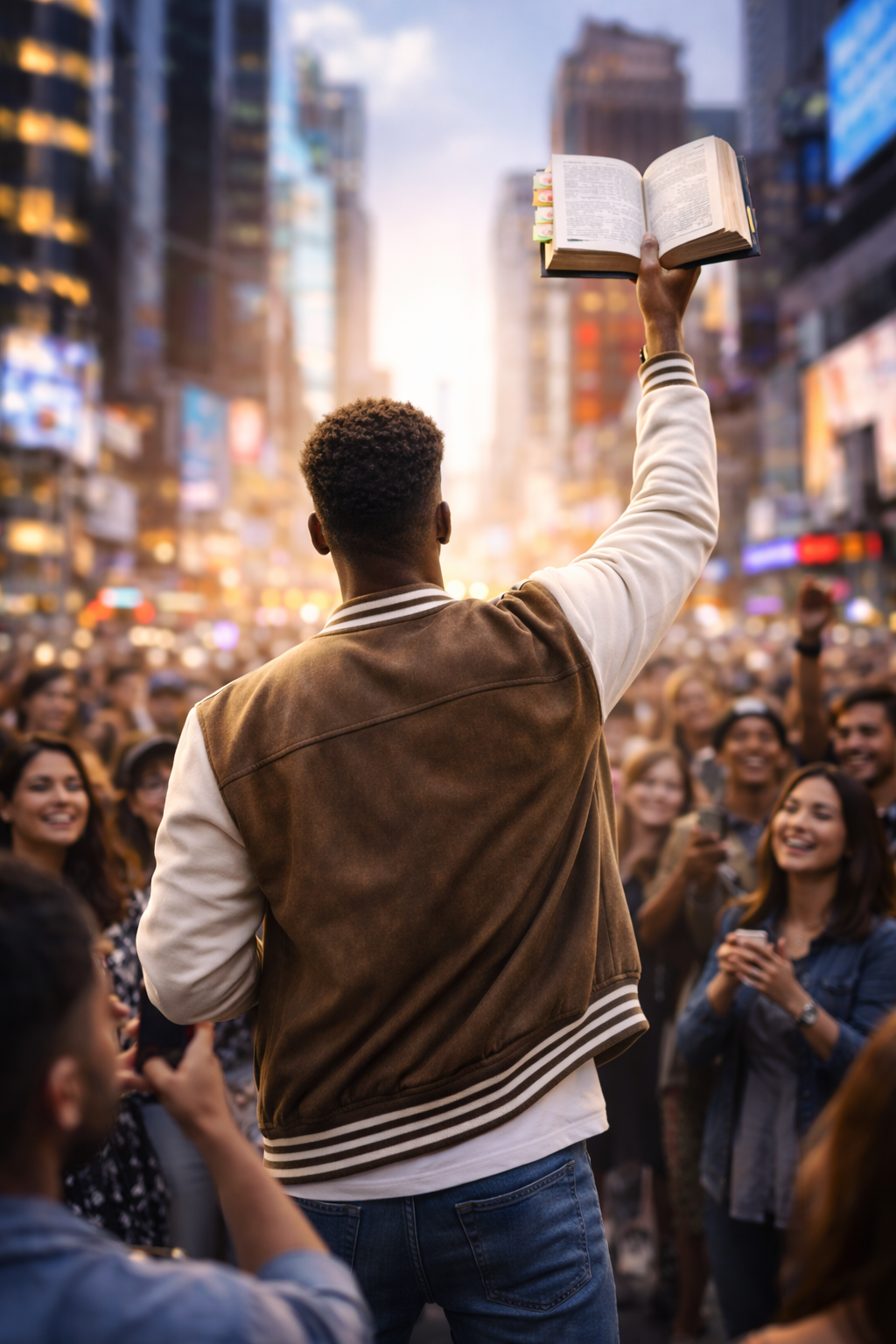
Modern evangelism is no longer limited to pulpits and street corners. Today’s unconventional evangelists use diverse platforms, including personal style, artistic expression, digital content creation, and authentic community building, to share the gospel message. While these methods may seem untraditional, the evidence shows they are effective in reaching contemporary audiences, especially younger generations.
Fashion as Ministry
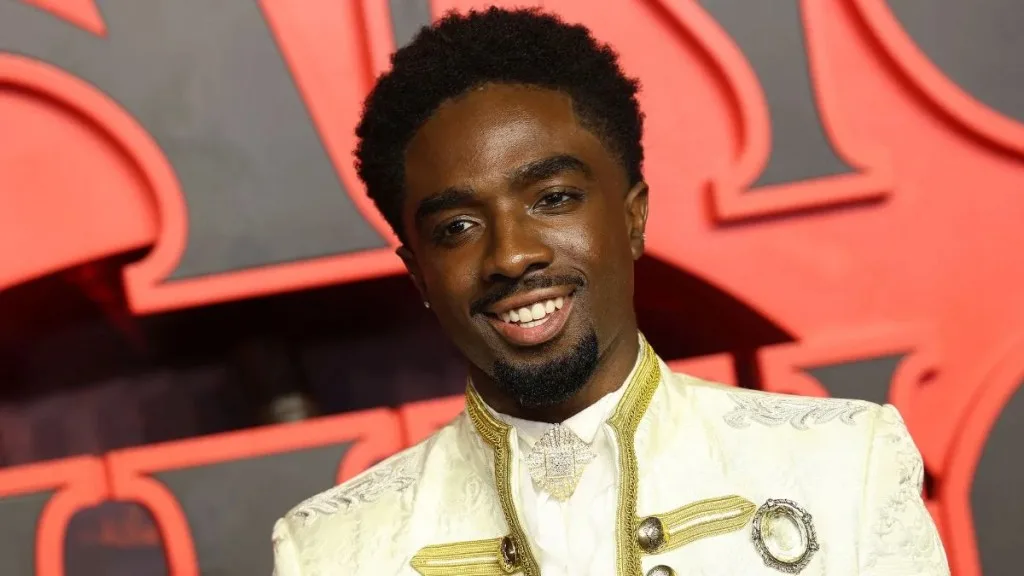
Personal appearance is a powerful form of non-verbal communication and, for believers, often serves as the first expression of their identity in Christ. Scripture indicates that “man looks on the outward appearance,” and intentional fashion choices can create chances for spiritual conversations that might not happen otherwise. Modest yet stylish clothing that reflects dignity and order challenges cultural norms that objectify the body and glorify excess. These choices naturally lead to discussions about the values and beliefs behind them. Simple elements, such as a cross necklace, Scripture-printed apparel, or clothing that conveys integrity and joy, can spark conversations before any words are spoken. Research confirms this practical impact. Conversations that begin with compliments about a godly appearance often turn into questions about faith and church involvement, showing how appearance can create opportunities for evangelism in everyday situations.
Digital Evangelism: Reaching the Unreached
The digital landscape has become one of the most fruitful areas for evangelistic work. With 72% of American adults active on social media, billions worldwide engage daily with new ideas, cultures, and belief systems. The digital space serves as a modern equivalent of ancient marketplaces where ideas were shared and teachings circulated. Most importantly, social media allows access to people who may never encounter the gospel through traditional means. The measurable results of digital evangelism are substantial. A single Christmas gospel presentation video on Instagram received nearly 900,000 views, leading to 7,500 documented decisions to follow Christ in two weeks. The same content on TikTok reached an additional 100,000 viewers, resulting in 2,500 more reported conversions in the same timeframe.
Beyond viral content, ongoing digital ministry has shown to be equally effective. One Worldwide Zoom Bible Study community had between 500 and 700 weekly participants, with documented instances of salvation decisions, baptisms, and successful connections to local churches. These platforms enable evangelists to create content that touches hearts and draws people toward genuine relationships with Christ, prompting important questions about God’s existence.
The Quiet Revival: Gen Z Returns to Faith
Perhaps the most surprising development in contemporary evangelism is the significant rise in religious engagement among Gen Z. This group shows an unprecedented openness to faith and spirituality, with 40% of 18-24-year-olds praying at least monthly and 51% practicing spirituality in the last six months.
The statistics are striking. Between 2018 and 2024, overall church attendance rose from 8% to 12% of adults adding over two million churchgoers. The most notable change occurred within Gen Z, where attendance quadrupled from 4% to 16%. Young men’s attendance increased from 4% to 21%, and young women’s attendance grew from 3% to 12%. This revival goes beyond just Sunday attendance. Engagement with the Bible has significantly increased, with 67% of Christians reading Scripture at least weekly outside of church services, up from 54% in 2018. Even among non-churchgoing adults, Bible reading has doubled over six years, increasing from 6% to 12% reporting weekly engagement with Scripture outside formal services.
The Community Factor
Research highlights community as the main driver for this generational shift. Unlike previous trends where individuals came to faith alone, many young adults now attend church with friends. About one third of non church attending 18-24 year olds say they would go if invited by a friend, and a quarter express interest in learning more about the Bible.
The broader impact of this engagement is measurable. Churchgoers report higher life satisfaction and stronger feelings of community connection compared to non-churchgoers. They demonstrate their faith through active community involvement, including volunteering and local activism.
Additionally, churches are becoming more diverse. One in five churchgoers (19%) now come from ethnic minority backgrounds, and around half of young Black individuals aged 18-34 (47%) attend church at least monthly.
The Multiplied Impact of Unconventional Methods
These diverse examples illustrate an important principle: God uses unconventional methods to reach unconventional places. Whether through Scripture-printed clothing that offers hope to someone in crisis, worship that brings unexpected healing, fashion choices that spark faith conversations, or digital content that challenges viewers with spiritual truths, the Kingdom is advancing through creative means.
The success of evangelism across fashion, social media, worship, and traditional church settings stems from genuine witness, intentional community-building, and connecting with people where they are. Unconventional evangelists are not waiting for ideal platforms or traditional approval. They are using their God-given gifts, such as creativity, style, media skills, and artistic talent, in their current contexts, and God is multiplying their impact.
Conclusion
The unconventional evangelist, often overlooked or dismissed, may hold the exact tools needed for a breakthrough in contemporary culture. Every believer has unique gifts that can serve Kingdom purposes when surrendered for divine use. The question facing the Church is not whether unconventional methods are valid but whether believers are willing to recognise and activate the diverse gifts within their communities.
The harvest remains plentiful, and the unconventional evangelist may be just the worker this generation needs. The data confirms what faith has always believed: when God’s people use their gifts earnestly and sincerely, transformation happens.
Other Articles

The most prolific criminal case of the year has finally come to an end as P. Diddy...

On June 27th Congo and Rwanda signed a peace deal that aimed to end decades of conflict...

The marketplace today is often viewed as a place lacking integrity and purpose...
From the overflow of Upper Room 2025, all roads led to Kingdom Ambassadors Centre...

Delite Hair Care provides all essentials for a complete hair care routine, for all ages...

It is a very well-known verse; David’s contemplation of how God wove him in his mother’s...