

STRANDED AT SEA – The unplanned isolation
What was meant to be an adventurous journey, quickly turned into an international health crisis as those aboard the MV Hondius were faced with a rare outbreak of the Andes hantavirus. The ship departed from Ushuaia, Argentina, on April 1, 2026, carrying passengers and crew from multiple countries. Though the first passenger began showing flu-like symptoms at sea on April 6, the deadly hantavirus outbreak was not officially confirmed until early May 2026, triggering global contact-tracing efforts after the ship was isolated off the coast of Cape Verde.
WHAT IS ANDES HANTAVIRUS?
Andes virus is a type of hantavirus primarily spread by rodents in South America that can cause a severe, often fatal respiratory disease in humans. Notably, it is the only known hantavirus capable of person-to-person transmission. This rare form of spread typically occurs through prolonged, close contact in enclosed spaces (likely driven by respiratory droplets or aerosols) as well as intimate physical contact or direct exposure to an infected person’s bodily fluids.
WHAT ARE THE SYMPTOMS?
Symptoms resemble influenza and may include:
- Fever, fatigue, muscle aches (especially thighs, hips, back, shoulders)
- Headache, dizziness, chills
- Gastrointestinal symptoms: nausea, vomiting, diarrhoea, abdominal pain
Later symptoms may progress to: - Cough, shortness of breath and respiratory distress
About Andes Virus | Hantavirus | CDC
HOW MANY PEOPLE HAVE BEEN AFFECTED BY THIS DISEASE IN THE UK?
The UK Health Security Agency (UKHSA), in coordination with the NHS and international partners, successfully confirmed that the risk of Andes hantavirus in the UK remains very low.
Case Status and Current Risk
- Total Cases: The World Health Organization (WHO) initially confirmed eight cases (six confirmed, two suspected) linked to the ship.
- British Nationals Affected: Three British nationals were among the original cases. Two required hospitalization abroad (one in South Africa and one in the Netherlands, the latter of whom was eventually medically evacuated back to England).
- Tristan da Cunha Case: A previously suspected case involving a resident on the remote island of Tristan da Cunha (who was exposed on the MV Hondius) was formally confirmed positive by UKHSA laboratories. The individual has since made a full clinical recovery and is well at home.
UKHSA update on the hantavirus cruise ship outbreak – GOV.UK
HOW DO WE CONTINUE TO KEEP THE RISK OF THIS VIRUS LOW?
- Washing hands frequently
- Avoid sharing drinks, cigarettes, hookah, and vapes with someone who may have Andes virus
- Avoid sharing eating utensils or eating food from the same plate or bowl as someone who may have Andes virus
- Maintaining distance from someone who may have Andes virus
About Andes Virus | Hantavirus | CDC
CONCLUSION
As global contact-tracing efforts continue to unfold around the MV Hondius, the cruise serves as a case study for the modern traveller. True self-care is no longer just about the luxury spa treatments we book or the serums we pack; it is about absolute health awareness. Moving forward, protecting our physical health through clean habits, fortified immune systems, and environmental vigilance is the ultimate act of self-preservation. After all, the glow of adventure only lasts if we have the health to enjoy it.
Other Articles

The most prolific criminal case of the year has finally come to an end as P. Diddy...

On June 27th Congo and Rwanda signed a peace deal that aimed to end decades of conflict...

The marketplace today is often viewed as a place lacking integrity and purpose...
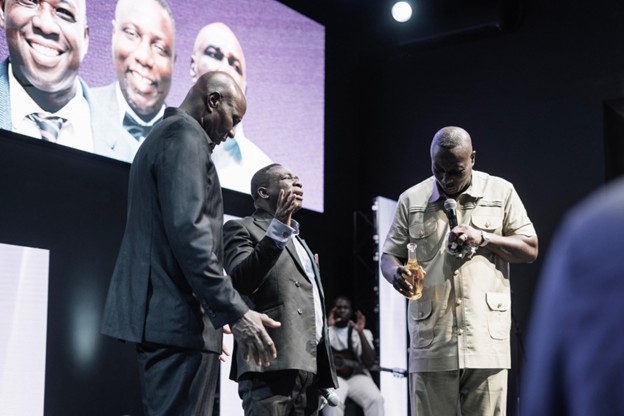
From the overflow of Upper Room 2025, all roads led to Kingdom Ambassadors Centre...

Delite Hair Care provides all essentials for a complete hair care routine, for all ages...

It is a very well-known verse; David’s contemplation of how God wove him in his mother’s...