The Rise of AI-Generated Video Content and the New Creator Economy
Jonathan Laramy, 32, is a creator of a viral YouTube channel called Chloe vs history, which features AI generated videos. It explores the adventures of a character called Chloe, who travels through history. Jonathan in 2025 quit his customer service job and focused in creating videos professionally.
The rise of AI-generated video content has created a new wave of digital entrepreneurship, enabling individuals to build online audiences and monetise content more efficiently than ever before. Platforms such as YouTube, TikTok, and Instagram have become central hubs for short-form video, where creators can reach large audiences in a matter of hours rather than years.
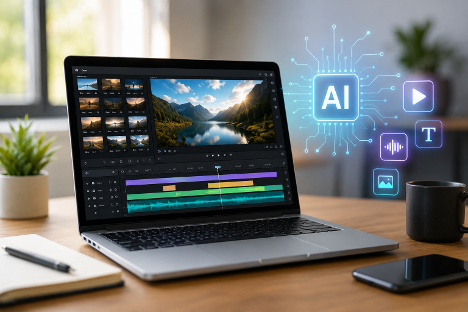
Artificial intelligence has significantly lowered the barrier to entry for content creation. Modern tools can now generate scripts, voiceovers, visuals, subtitles, and fully edited videos within minutes. This shift has reduced both the time and cost traditionally associated with video production, allowing individuals with no technical background to participate in the creator economy.
Why Short-Form Video Dominates Attention
Short-form video has become one of the most dominant forms of online entertainment due to changes in user behaviour and decreasing attention spans. Platforms such as YouTube Shorts, TikTok, and Instagram Reels are designed to deliver fast, continuous streams of engaging content through algorithm-driven feeds.
The success of this format is largely driven by platform algorithms that prioritise watch time, audience retention, replays, and engagement. Videos typically lasting between 15 and 60 seconds are more likely to be watched repeatedly and shared, increasing their potential to go viral. As a result, short-form content has become particularly effective for AI-generated videos, where creators can produce and distribute large volumes of content quickly and consistently.
How Creators Produce AI Videos
AI video creation typically follows a simple and highly efficient workflow consisting of four main stages: script generation, voiceover creation, video editing, and publishing.
Creators often begin by generating scripts using AI tools such as ChatGPT or Claude, which can quickly produce structured ideas, hooks, and short-form storytelling formats tailored for viral content. These scripts are then converted into voiceovers using tools such as ElevenLabs or CapCut’s AI voice features, which produce realistic narration without the need for recording audio manually.
The next stage involves video editing and assembly. Platforms such as CapCut, Canva, and Runway are commonly used to combine visuals, captions, transitions, and effects into polished short-form videos. These tools are designed for speed and accessibility, making them suitable even for beginners.
A common strategy among AI video creators is to upload the same content across multiple platforms, including YouTube Shorts, TikTok, and Instagram Reels. This approach maximises visibility while reducing the need to create separate content for each platform.
A growing trend within this space is “faceless AI content,” where creators produce videos without appearing on camera. These videos typically combine AI-generated scripts, automated voiceovers, animated images, and captions.
Consistency and Audience Growth
Consistency is one of the most important factors in growing an audience on short-form platforms. To increase visibility, creators often upload between one and three videos per day. AI tools make this level of output more achievable by significantly reducing production time. Over time, consistent posting increases the likelihood of algorithmic exposure and audience growth.
Monetisation Methods
AI video creators typically earn income through three main channels: platform monetisation, affiliate marketing, and sponsorships.
Platform monetisation allows creators to earn revenue from advertisements and engagement-based payouts. However, eligibility requirements vary by platform. YouTube generally requires 1,000 subscribers and 4,000 watch hours, or alternatively millions of Shorts views, before enabling full monetisation features. TikTok typically requires around 10,000 followers and 100,000 video views within a 30-day period to access its creator rewards programme. Instagram does not enforce fixed thresholds, but creators often begin receiving brand deals once they build an engaged audience of approximately 5,000 to 10,000 followers.
Affiliate marketing allows creators to earn commissions by promoting products, software, or services through referral links. Sponsorships and brand partnerships provide another income stream, where companies pay creators to promote their products to niche audiences.
While AI content creation can be profitable, earnings vary significantly depending on audience size, engagement, and monetisation strategy. Industry reports suggest that successful AI video creators can earn between $5,000 and $10,000 or more per month through a combination of advertising revenue, sponsorships, affiliate marketing, and subscription-based platforms. Brand partnerships are often considered the most lucrative source of income, with some creators earning hundreds or even thousands of dollars for a single sponsored post. However, creating AI-generated content is not without costs. Advanced video-generation tools often charge per video produced, and some full-time creators report spending between $1,000 and $1,500 on AI software, editing tools, and content revisions for a single long-form project.
Learning Resources and Getting Started
Beginners can improve their skills using free educational resources such as the YouTube Creator Academy, TikTok Creator Portal, CapCut tutorials, and Runway’s learning platform. These resources provide guidance on content creation, editing techniques, audience growth, and monetisation strategies.
Ultimately, success in AI-generated content depends on consistency, experimentation, and understanding how short-form video platforms distribute and promote content.
While AI-generated content has created new opportunities for creators, it has also attracted criticism. Some content creators argue that AI enables the rapid production of large amounts of content, increasing competition and making it harder for original creators to gain visibility. Others believe that AI-generated videos often lack the authenticity and personal connection that audiences value. There are also ongoing concerns surrounding copyright and intellectual property, with critics questioning whether AI systems rely too heavily on existing creative works. However, many creators view AI as a useful tool that can support research, editing, and content production rather than replace human creativity. As a result, the debate continues over whether AI is enhancing the creator economy or reshaping it at the expense of traditional content creation.
Other Articles

The most prolific criminal case of the year has finally come to an end as P. Diddy...

On June 27th Congo and Rwanda signed a peace deal that aimed to end decades of conflict...

The marketplace today is often viewed as a place lacking integrity and purpose...

From the overflow of Upper Room 2025, all roads led to Kingdom Ambassadors Centre...

Delite Hair Care provides all essentials for a complete hair care routine, for all ages...

It is a very well-known verse; David’s contemplation of how God wove him in his mother’s...