UK Local Elections Reveal Fragmented Political Landscape
The 2026 UK local elections have delivered a sharp verdict on Britain’s shifting political mood, with Reform UK and the Green Party making significant gains while Labour suffered heavy losses across England.
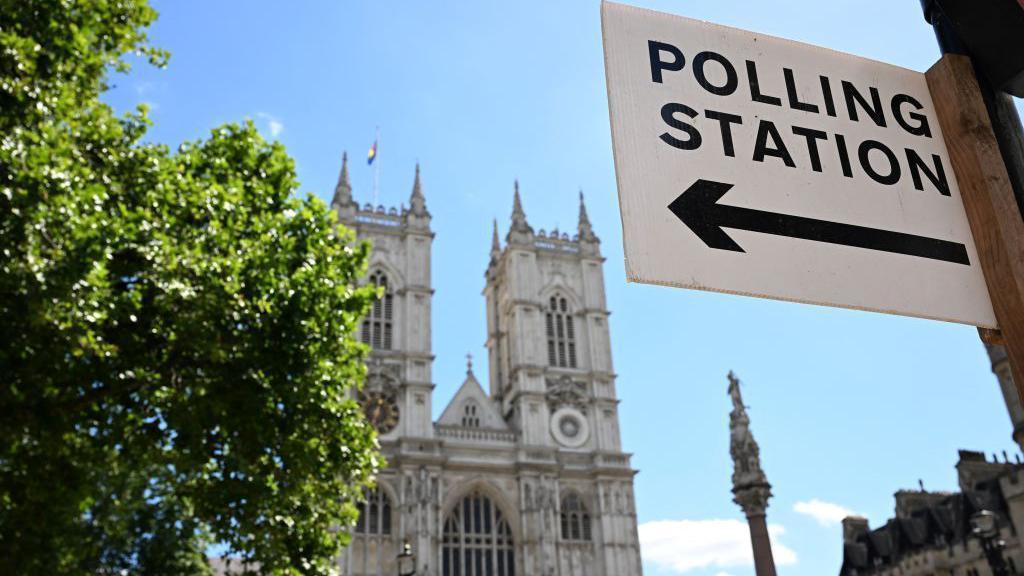
Held on 7 May, the elections saw more than 4,850 council seats contested across 134 English councils — the largest local electoral test since the 2024 General Election. Analysts were quick to describe the outcome as evidence of a deeply fragmented electorate, with no single party commanding clear national dominance.
Turnout emerged as one of the more surprising stories of the night — and not in the direction most expected. While many areas recorded figures between 30% and 40%, turnout appeared to have been noticeably higher than usual, possibly by up to eight points on average overall, and reportedly doubling in some areas. Sunderland reported approximately 40% participation, while several urban authorities saw notably lower engagement. In Reading, turnout reached 41.2% — the highest outside of a general election since 1991. For a local election cycle long associated with voter apathy, the uplift was striking.
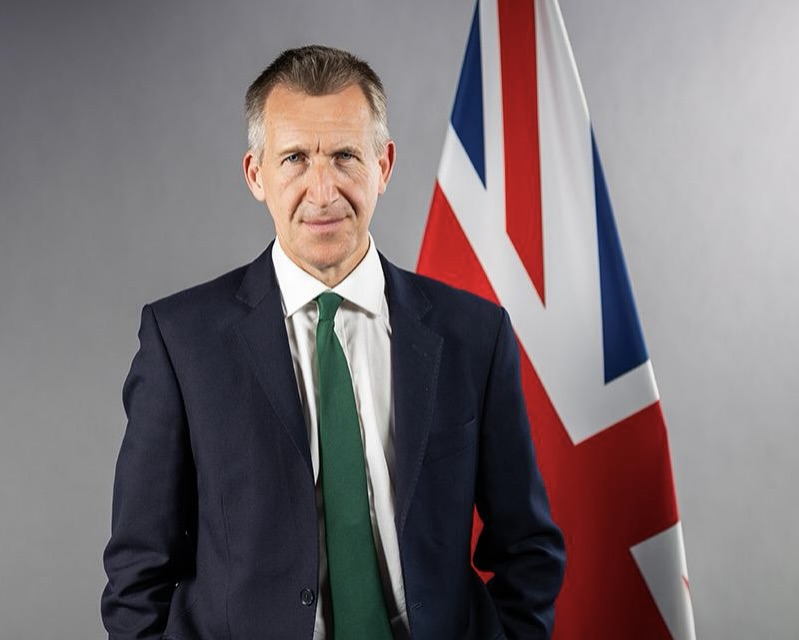
Labour’s losses were stark. The party reportedly shed more than 1,400 councillors and lost control of dozens of councils, intensifying scrutiny of Sir Keir Starmer’s leadership and raising questions about the party’s prospects ahead of the next General Election. New polling found that just 46% of 2024 Labour voters who turned out in these elections remained loyal to the party, with roughly one in five switching to the Greens and around one in six backing the Liberal Democrats.
Reform UK was among the night’s biggest winners, making strong advances in traditionally Labour-held towns — many of which backed Brexit heavily in previous votes. Gains in areas such as Newcastle-under-Lyme, Hartlepool, and Burnley suggested the party has sustained the support it began gathering in the Midlands and the north of England at the 2024 general election. Analysts attributed the results to persistent voter frustration over immigration, the cost of living, and distrust of mainstream politics.
The Green Party recorded historic results of its own, particularly in London. Labour saw its worst results in London local elections since 1968, while the Greens gained 278 seats across the capital and won directly-elected mayoral races in both Hackney and Lewisham — a result that few had predicted at that scale. In Southwark, Labour lost control of the council following a strong Green challenge, with the party losing 21 seats to the Greens alone.
One of the more anticipated contests that defied expectations was Barking and Dagenham — a council Reform UK had been widely tipped to challenge. Labour held the council, with 33 seats compared to Reform’s five. It was a rare bright spot for the party on an otherwise difficult night.
The mood among voters reflected the fractures on display. When asked to describe the outcome in a single emotion, pessimism (19%) and anxiety (15%) were the most common responses overall — the top two feelings among Labour, Liberal Democrat, and Green voters alike. Reform UK voters, by contrast, were most likely to feel optimistic (35%), with a further 16% saying they felt happy about the results.
The most common reason voters gave for their choice was that the party best reflected their values (43%), with almost a third also citing the best local policies as a key factor. The economy and cost of living (27%) and immigration (26%) were the top issues overall.
Reform UK voters were far more likely than any other group to name immigration as the issue with the most impact on their vote, at 68%. Green voters, meanwhile, were significantly more likely to cite racism or the rise of the far right (46%) and the environment (33%) as their primary concerns.
Despite the scale of the changes, a sense of uncertainty — rather than hope — pervaded public reaction. The most common view among those who voted (41%) was that their council would get neither better nor worse in the coming years. A quarter thought things would change for the worse, similar to the share expecting improvement.
Comentary from political observers was equally cautious. Theo Bertram of the Social Market Foundation warned that Labour’s offer of stability and steady progress had felt to many like stasis and stagnation, describing the moment as dangerous for the centre ground of British politics.
Analysis from The Conversation characterised the elections as a storytelling contest, suggesting that voters had come to believe the newer parties — Reform and the Greens — say what they mean, while Labour and Conservative candidates continued to campaign on local specifics like refuse collection and care services, largely ignoring the headline values that drove the insurgent parties’ success.
The results broadly aligned with pre-election forecasts, which had pointed towards sharp Labour declines, Reform surges, and growing fragmentation across England’s political map.
Professor Sir John Curtice noted that voters are increasingly distributing their support across multiple parties rather than gravitating towards the traditional two-party system — a trend the elections appeared to confirm. As Curtice put it ahead of the results: “The picture has been pretty much as bad as anyone expected for Labour, or worse.”
Underlying the results were familiar grievances: dissatisfaction with the economy, local services, housing costs, NHS access, and political leadership more broadly. Many voters, surveys suggested, felt disconnected from Westminster and were actively looking for alternatives.
The practical consequences of the night extend beyond the symbolic. Across swathes of local government, huge numbers of incumbent politicians from Labour and the Conservatives have been replaced by new and inexperienced councillors from Reform UK and the Greens — politicians who will have to get up to speed quickly in a local government landscape already under severe financial strain.
While local elections have traditionally served as a mid-term check on the government, analysts warn this cycle may signal something more enduring — a more unpredictable era of British politics, defined by fragmented loyalties and coalition-style voting patterns.
Other Articles

The most prolific criminal case of the year has finally come to an end as P. Diddy...

On June 27th Congo and Rwanda signed a peace deal that aimed to end decades of conflict...

The marketplace today is often viewed as a place lacking integrity and purpose...

From the overflow of Upper Room 2025, all roads led to Kingdom Ambassadors Centre...

Delite Hair Care provides all essentials for a complete hair care routine, for all ages...

It is a very well-known verse; David’s contemplation of how God wove him in his mother’s...